
“What? You’ve been traveling the world for eight years? Isn’t traveling expensive?”
This is the usual reaction I get when people hear about how I spent the past years of my life. For most, it’s hard to imagine that someone could travel the world without spending an insane amount of money.
Sure, when traveling for years on end, you probably need to get a job every now and then to save up some cash, but once you have some savings, you’re pretty much ready to go.
If you don’t mind compromising on some things, you can travel the world with way less money than you might think.
To help you travel longer, I put together my best travel hacks to save money while traveling long-term!
Note: Your trust is important to me. Therefore, I’d like to point out that this article contains referral links (also known as affiliate links). This means I get a small commission if you buy a product after clicking on one of the corresponding links marked with a *. There are no extra costs for you, but it helps me keep this blog ad-free. Thank you!
How to Save Money on Transport When Traveling Long-Term
1. Utilize Public Transport!
One of the biggest expenses while traveling is transport. However, this cost can easily be reduced by using public transport which is a great way to travel the world with little money. In almost any country, using local buses, metros, and subways is cheaper than taxis or ride-sharing apps like Uber.
Just remember, in some countries, especially developing ones, public transport can be a little unreliable, so be prepared for possible delays.
2. Try Your Luck with Hitchhiking!
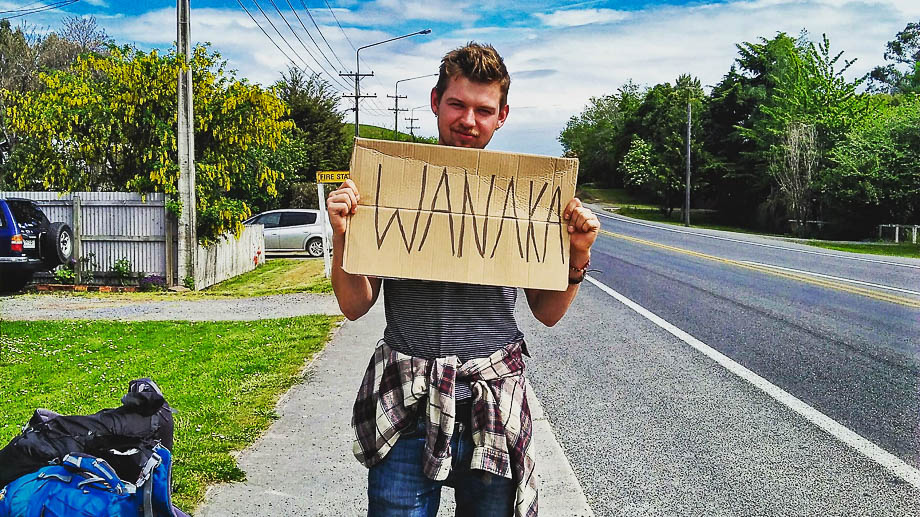
Hitchhiking is an incredible way to meet new people and have a local experience. Oh yeah, and of course, you get to travel for free.
Now, I wouldn’t recommend hitchhiking anywhere (especially in high crime areas or if you’re traveling solo – particularly as a woman), but there are places in the world where hitchhiking is pretty safe.
For example, I had exceptionally good experiences hitchhiking in New Zealand and Armenia – two absolute hitchhike heavens!
3. Avoid Taking Short Flights!
Flights are expensive – even short ones.
Yes, you may be able to fly from one end of Thailand to the other for as little as 50 or 60 bucks, but once you find out that the local bus only costs a third of that, flying doesn’t seem to be that cheap anymore, right?
Once you do the backpacker’s math, you realize you have the choice of taking one flight or using the money to pay for the next three buses.
Plus, if you take a night bus, you don’t even have to pay for accommodation. So, if you really want to save money while traveling, try to avoid short flights and opt for local transport instead.
4. Compare Flight Prices!
I know, I just told you to avoid flights, but if you want to travel long distances, you’ll probably have to take one sooner or later.
In this case, make sure to compare flight prices thoroughly before booking a trip. You can find cheaper flights by comparing prices from different airlines, search engines, and flight apps, such as Skyscanner* or Momondo.
Additionally, you can save money on travel if you’re flexible with dates. Often, it’s cheaper to travel during the week than on the weekends or public holidays.
To find out more about this topic, check out my recommendations for cheap flight apps.
5. Pack Light!

These days, many airlines charge absolutely outrageous prices for checked-in luggage (up to 200 dollars per bag). I’ve saved a bunch of money by traveling with a carry-on only and skipping this hefty fee.
Luckily, traveling with a carry-on only is actually not as difficult as it seems. Most international airlines allow you to bring a 40 liter backpack on the plane (plus a personal item/a small backpack that fits underneath the seat in front of you). The total weight allowed can range from seven to twelve kilograms.
So, why not give it a try and save some money on your next trip? As a carry-on, I can recommend the Osprey Fairview 55 (as shown on the photo) or the male version Farpoint 55.
Saving Money On Accommodation While Traveling
1. Stay in Hostels (If You’re Traveling Solo)!
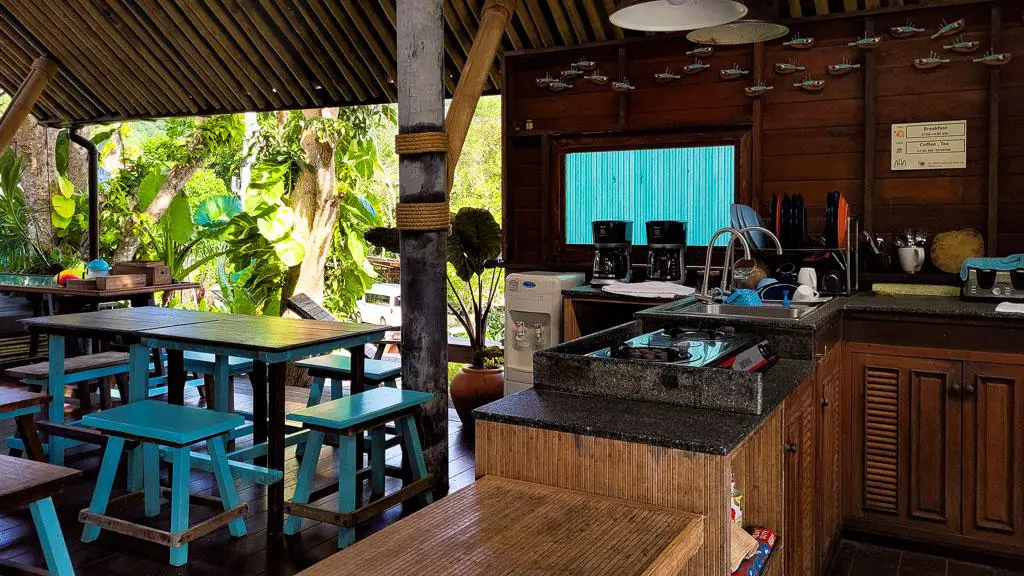
Staying in hostels is a fantastic way to meet new people and save some bucks.
Not only is it cheaper to stay in dormitories than booking private hotel rooms, but most hostels also provide a kitchen for their guests, which means you can cook your own food which is generally cheaper than eating out. That’s what I call killing two birds with one stone! – BAM!
To secure a hostel bed online, check out Hostelworld* – the world’s largest booking platform for hostels and one of the best apps for accommodation.
2. Stay in Guest Houses (If You’re Traveling As A Couple)!
As much as I love hostels, as a couple, it’s also nice to have some privacy. Plus, it’s often cheaper to book a room in a guest house than two beds in a dormitory.
Of course, you can also opt for a private room in a hostel if you crave the social atmosphere but don’t want to sleep in a room full of strangers. However, private rooms in hostels tend to be expensive, and it’s usually cheaper to just get a room in a guest house or budget hotel.
For cheap hotels, check out booking.com* and Agoda*.
3. Try Couchsurfing!
You not only want to save money on accommodation, but you also want to meet people and explore the culture that you’re in? Then, Couchsurfing was literally made for you!
You can sign up for this platform online or download the mobile app to find a host in the place that you’re in.
However, whenever I recommend this platform to people, I need to point out that Couchsurfing is NOT just a way to get free accommodation.
Keep in mind, as the couchsurfer you are a guest in their home. Most hosts offer their space to travelers because they’re genuinely interested in hearing your stories and spending time with you. It can happen that the hosts are busy themselves, but often they take time out of their day to show you around their hometown, cook dinner together, or go out with you for some beers.
Hence, if you just want free accommodation but don’t actually care about meeting people and socializing, Couchsurfing is not the right platform for you.
Oh, and also be sure to read the hosts’ profiles and reviews beforehand. You don’t want to stay with a total weirdo! 😉
4. Work in Exchange for a Free Bed!
If you don’t mind getting your hands dirty, platforms like WorkAway and WWOOF are great resources to save money while traveling long-term. Simply sign up to find hosts offering free accommodation in exchange for work.
Not only will you be able to save money on accommodation, but you’ll also have a cool experience waiting for you. You could work on a horse farm in Iceland, help a family in New Zealand with their gardening work, or work on a sailboat while traveling across the Pacific Ocean.
Alternatively, you can also ask in your hostel if they need a hand. Many hostels offer travelers to work a few hours a day as a cleaner or at the reception in exchange for a free bed.
5. Go Camping!

Last but not least, you can also travel cheaper by going camping. Especially when traveling by car, you can easily avoid accommodation costs by heading to nature at night and sleeping in the wild.
My partner and I traveled around New Zealand in a small camper van for three months and barely paid a cent for accommodation during that time. Of course, you can also do this in other countries like Australia, the United States, Canada, parts of Europe, or South America.
Camping is a great way to explore a new country without breaking the bank!
How To Save Money On Food When Traveling
1. Cook Your Own Meals!
When traveling, one of the biggest expenses is food. And eating out quickly adds up! Luckily, you can save a lot of money by cooking your own meals.
To be fair, you don’t need to cook when you’re walking around the streets of India or Thailand and 1-2 dollar meals are sold on the street, but in many countries (especially in Western countries), you can make your travel budget last much longer if you avoid high restaurant bills.
So, why don’t you pick up some cooking skills before starting your trip? It’s much easier not to get tempted into eating out when you know how to make yummy food yourself and you don’t just rely on dry bread in the hostel kitchen. 😉
2. Eat Local Food!

If you do buy food, I recommend sticking to the local cuisine. In Southeast Asia, for example, I hardly ever cook for myself as the local street food is not only extremely affordable but also addictingly good.
In contrast, if you want to buy Western meals in developing countries (for example, pizza or pasta), you can expect to pay up to five times the price of a local dish.
I understand that sometimes the craving for familiar comfort food kicks in, but if you want to save money on your travels, try not to eat out for every meal and stick to street food and the local cuisine!
Finances on Your Travels
1. Save Money on ATM Fees!
Many ATMs abroad charge fees when you withdraw money with a foreign debit or credit card. To avoid this, you can try to pay by card as much as possible. However, many countries still rely heavily on cash, so visiting an ATM is often unavoidable.
In such cases, I recommend researching which ATMs are available in the country you’re visiting and which ones have the lowest fees for foreign cards.
Keep in mind that some banks also have partnerships with banks abroad. So, it’s a good idea to inform yourself about whether you can withdraw money for free from a specific bank in your destination country.
2. Sign Up for a Travel Credit Card!
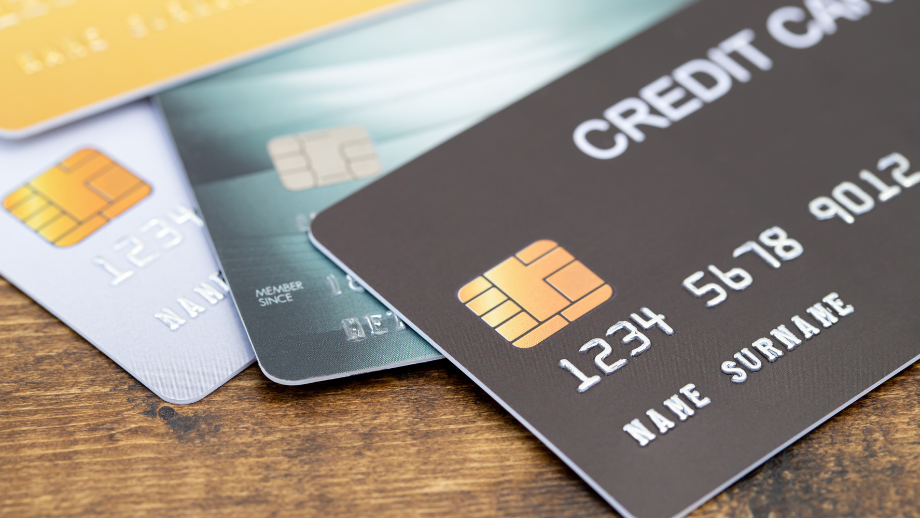
If you travel abroad, make sure to sign up for a travel credit card beforehand. A credit card for travel can save you money on ATM fees and payments in foreign currencies, and you may even be able to collect flight miles, get discounts for certain booking platforms, or receive cashback.
Some of the best travel credit cards include the Chase Sapphire Preferred Card, the American Express Gold Card, and the Capital One Venture Rewards Credit Card.
3. Watch Out for Malicious Currency Exchanges!
Talking about finances, when changing money, always read the fine print and ask if the currency exchange takes commission! Some currency exchanges charge ridiculous amounts of money (like that one time in Prague when I was charged 12 Dollars to change 40 Dollars – insane).
Also, many people swear that currency exchanges at airports are more expensive, but in my experience, this is not always the case. Sometimes, the exchange rate at airports is even better than elsewhere.
You should also try to get rid of weak currencies while still in the corresponding country. For example, if you have leftover Thai Baht, Indian Rupees, or Georgian Lari, exchange them for an international currency like Dollars or Euros before leaving.
More Travel Hacks to Save Money
1. Define Your Travel Budget!
You’re wondering how to travel on a budget? Well, the first thing to do is to define your travel budget so that you know what you are “allowed” to spend.
Think about how much money you have saved up and how long you want it to last. Then you just subdivide the budget by days and ta-da… You calculated your very own personal daily travel budget!
Now, it’s just as important to actually follow it. For this, I recommend tracking your expenses with apps like 1Money, Trexpense, or TravelSpend.
These apps help you track your expenses and show whether you’re in your budget or not. They also categorize your expenses so that you can find out how much of your money goes to groceries, accommodation, transport, eating out, and other activities.
This way you can easily target your weak points and figure out what kind of expenses to reduce.
3. Travel to Cheap Countries!

The destinations you travel to massively affect your travel budget! 50 dollars in the States, New Zealand, or Australia gets you nowhere near what 50 dollars would get you in South America or Southeast Asia.
So, if you want to travel long-term, you may want to consider traveling to cheaper countries. You’ll be surprised by how affordable traveling can be when you spend your days cruising on a motorbike around the Southeast Asian countryside or sunbathing on South African beaches.
Affordable countries for low-budget travel can generally be found in Southeast Asia, Central Asia, parts of Europe, Africa, and South America. On the other hand, East Asian countries, Scandinavia, North America, and countries in Oceania like New Zealand or Australia tend to be more expensive.
3. Avoid Tourist Hotspots!
Even within a country, it can make a big difference where you travel. Tourist hotspots are often not only crowded but also expensive. Hence, you can often travel cheaper if you opt for less popular destinations.
Additionally, this approach gives you a more authentic insight into the local culture and how people live.
So, do yourself a favor and travel somewhere that does not show up on the top 10 list when googling “Things to do in…”. Instead, ask the locals for recommendations on where to go, talk to other travelers, or just point at a random place on the map and say, “That’s where I’m going today”. You’ll never know what hidden treasures you could find!
4. Travel Slowly!
As a long-term traveler, you can also save money by traveling slowly and staying in each place for a longer period of time.
This way you don’t have to pay for transportation costs as often and you could even reduce your accommodation costs. Many hotels and hostels offer guests cheaper deals when booking weekly or even monthly rather than daily.
5. Find Free Things to Do!
Tickets for museums and paid attractions add up. Of course, I’m not saying you should skip everything. Naturally, traveling includes treating yourself to things like a ticket to the Eiffel Tower in Paris or an island tour in Thailand.
However, if you’re traveling on a low budget, it’s worth cutting down on these expenses and only paying for activities you truly want to do.
Every destination also offers plenty of free activities and attractions, which I sometimes find even more exciting. So, research free or cheaper alternatives to the main attractions and consciously decide which tourist attractions and activities are worth spending money on and which expenses you can skip.
6. Do Your Own Laundry!
Another easy way to save money while traveling is doing your own laundry.
Again, if you travel in cheap countries like Southeast Asia, paying for a laundry service might not be the end of the world, but in countries like Australia or New Zealand, the costs for a laundromat will set you back more than a few dollars every time.
Luckily, that’s a cost you can easily avoid. Just buy some laundry detergent, wash your clothes in a sink, and hang them up on a portable laundry line.
7. Work Abroad!
Lastly, you can also make your travels last longer by working abroad. You could teach English in another country, work online as a digital nomad, or apply for a working holiday visa in countries like Australia or New Zealand. This way, you can not only save money but also make money while traveling!
And there you have it—my top tips on how to save money on travel! Whether you’re hitchhiking through New Zealand or cooking up a storm in a hostel kitchen, there’s always a way to stretch those travel dollars further.
Got any money saving hacks of your own? Drop them in the comments below. Safe travels and happy saving!
You are reading: How to Save Money While Traveling Long-Term
